Rewilding
Leave it be. Replant where needed.
At a glance
- The land
- Around 80 hectares
- Cleared 20–30 years ago
- Around 30–40 hectares
- Planted since 2020
- Today · About 12 hectares, by hand
- Fire
- Burned through it several times since 2021
- Next planting
- Planned trial · Miyawaki pilot, 1–2 hectares
- First batch, initial target
- around 30,000 saplings, about 3 per m²
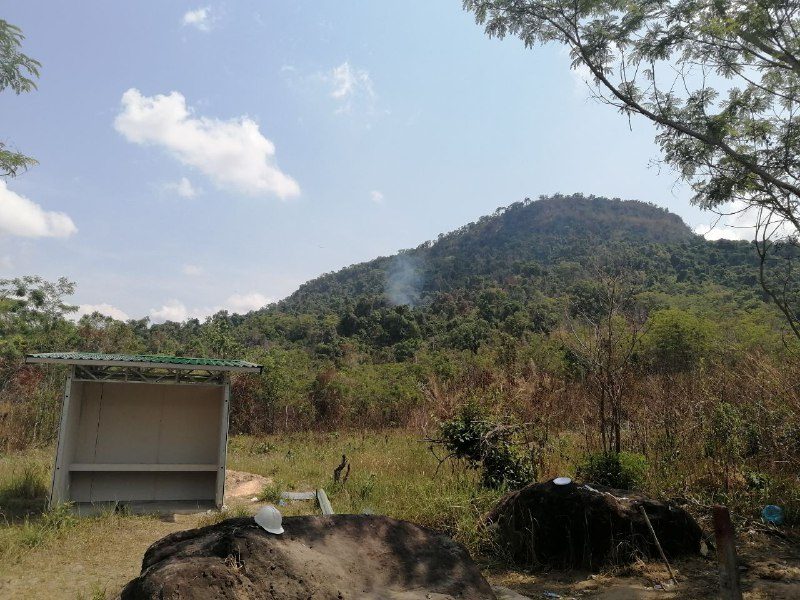
We look after land in Kampong Seila, Cambodia, and rewild it in two ways. Where forest is growing back, we leave nature be. Where cleared land needs help, we plant. About 12 hectares have been planted by hand since 2020, and fire has burned through them more than once. Next we want to pilot the Miyawaki method on 1–2 hectares. Parts of the land were cleared decades ago. Neighbouring farmland stays as it is.
What is happening now Today
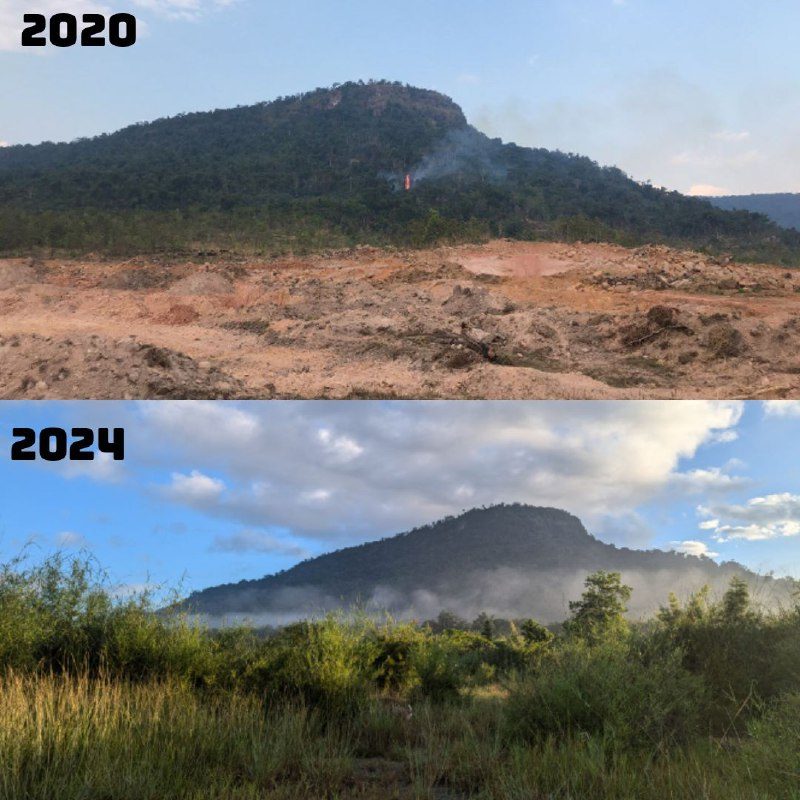
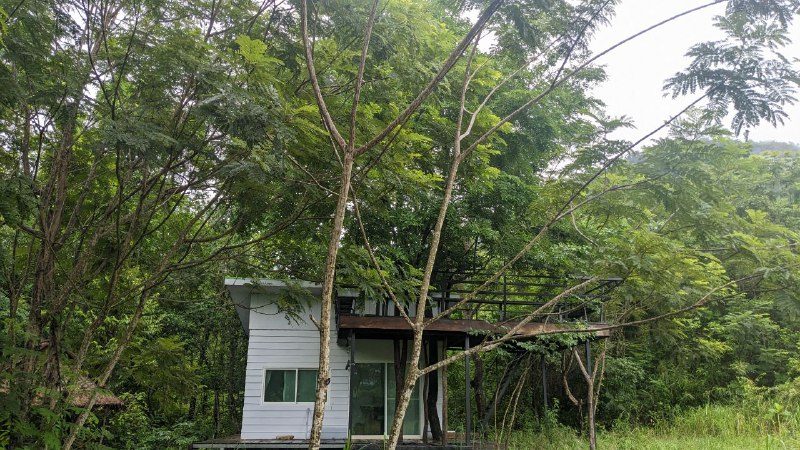
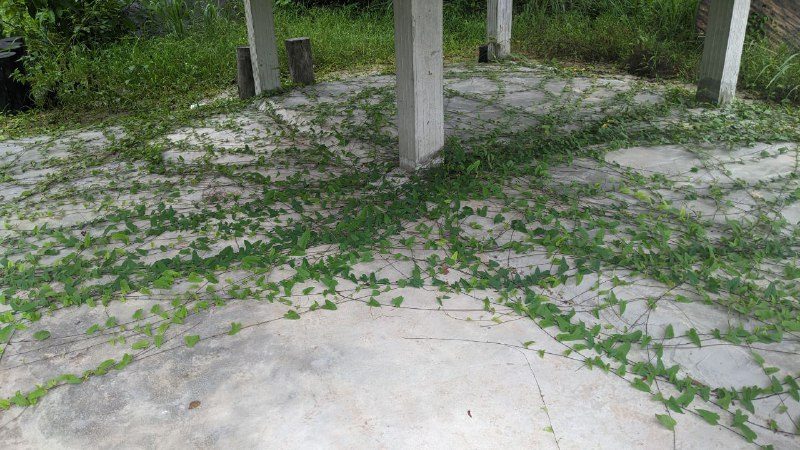
Much of the land is being left alone. Around 2020 and 2021 we saw parts of it recovering without any planting. So where nature is already doing the work, we stay out of the way. That will not be true of every cleared patch, so we also plant.
What we have planted Today
Starting in November 2020, about 12 hectares were planted by hand with a partner. Parts were planted close together, but it was not the full Miyawaki method. By January 2021 at least nine in ten of the first trees were alive. Then, in March 2021, a dry-season fire burned about a fifth of the site. Fire has gone through the planted area a few times since. The full story is in the journal.
In June 2024 we planted 54 young trees close together, as a very small forest, next to a patch that had burned that April. It is small next to what one afternoon of fire can do. Any new planting has to plan for fire first.
What we plan next Planned trial
Next we want to try the Miyawaki method properly, on 1–2 hectares of cleared land: many native species, planted close together. Most Miyawaki plantings use two to five saplings per square metre. Our first batch, around 30,000 saplings at about three per square metre, would plant roughly one hectare. The species, layout, fire protection and costs are still being worked out.
A dense planting is meant to thin itself. Over the first years many stems die as the trees compete for light, and that is expected. It is different from saplings lost to drought, weeds or fire in the first years, which need replacing. We will count the two separately.
Still to work out
- Which native species, and where the saplings come from
- Exactly where the pilot goes, and how dense the planting should be
- How to prepare the soil, and where water comes from in the dry season
- How to keep fire out, and who looks after it through the first five years
- What it all costs, including the care after planting day
What we’ll record
The next planting starts with the 1–2 hectare pilot, by hand, and we will write down what happens: the cost per sapling planted and per tree still alive, the hours of care, which species survive the dry seasons, how many stems the planting loses to thinning and how many to drought or fire, and how the plot compares with land left to recover on its own. We plan to publish it in the journal, including what doesn’t work. If it works, the notes may be useful to others.
After the pilot
If the pilot teaches us enough, we may plant more of the cleared areas. We have not decided. It is not a promise.
Questions
Is the next planting funded?
Not yet. We are talking to possible collaborators, but nothing is confirmed.
Are you selling carbon credits?
No. VitaminAir has not obtained carbon verification and has no credits to sell. An exploratory article from 2024 is kept in the journal archive, clearly marked as such.
Can I visit?
Visits are possible by arrangement. Email us first.
Working together
We’d like to talk with organisations that fund or support native tree planting.
We would agree the details together, including care in the first years, how planted areas stay protected, reporting, and visits.
Planting can be done in funded batches, timed to the rainy season.
Species, costs and capacity are still being worked out. We’ll share them when they’re ready.
Discuss a planting partnership
If you know native trees or nurseries, or you research this part of Cambodia, email us about the planting.